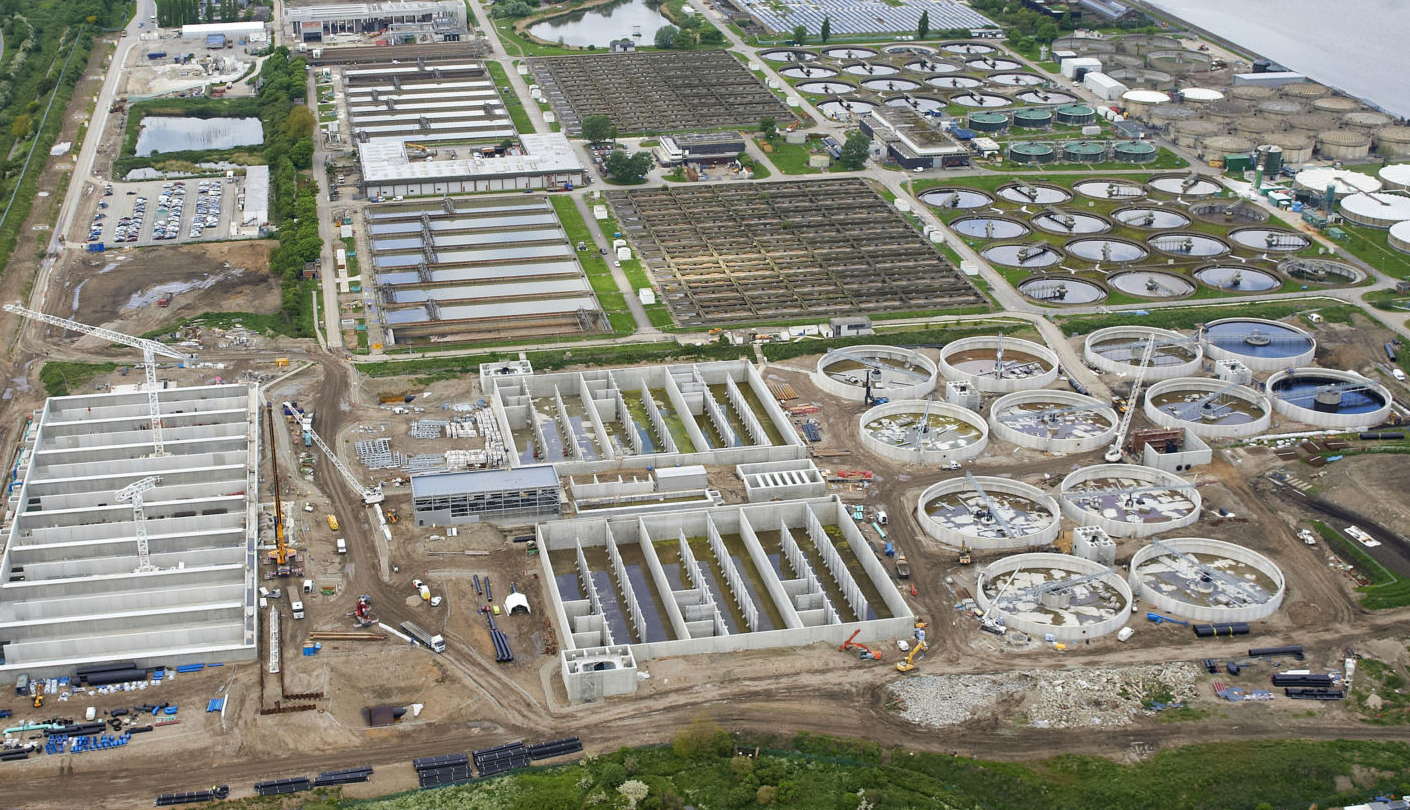
Glenfield Invicta is delivering a major penstock replacement programme at Crossness Wastewater Treatment Works in South East London on behalf of Glanua for Thames Water.
As the third-largest wastewater treatment plant in Europe, Crossness plays a vital role in processing wastewater from across South and South East London. Maintaining the reliability and performance of its assets is essential to supporting continuous service for millions of customers.
The project commenced in October 2022 and is scheduled for completion in late 2026. The scheme involves replacing ageing penstocks serving the coarse screening process, a critical stage that prevents large debris from entering downstream treatment systems.
Originally planned as a refurbishment programme, detailed inspections revealed that the existing assets had deteriorated beyond economical repair. Glenfield Invicta subsequently developed a complete replacement strategy, encompassing the design, manufacture and installation of 20 new Orbinox penstocks.
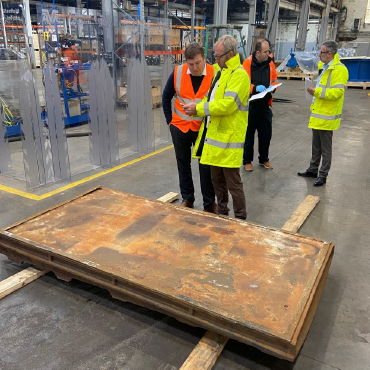
The existing penstocks had reached the end of their operational life and were no longer capable of providing dependable isolation for maintenance activities.
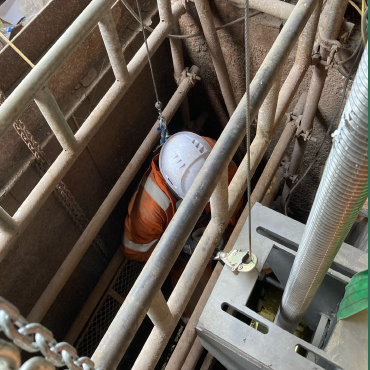
The installation environment added significant complexity. Located approximately 12 metres below ground within confined screening channels, the assets were subject to restricted access, low headroom and challenging operational conditions. Seasonal fluctuations in flows and ongoing treatment operations required careful planning and close coordination throughout the programme.
A further challenge arose from the original cast iron penstocks, which featured spigot-back frames cast directly into the surrounding concrete structure.
Conventional removal techniques would have risked damaging the existing civil infrastructure and significantly increasing programme duration.
Seasonal operational demands and constantly changing environmental conditions across the treatment works also created ongoing programme management challenges, requiring close coordination between site teams, subcontractors and operational stakeholders.
The Solution
Following a comprehensive assessment, Glenfield Invicta recommended full asset replacement to provide a long-term solution and restore reliable isolation capability.
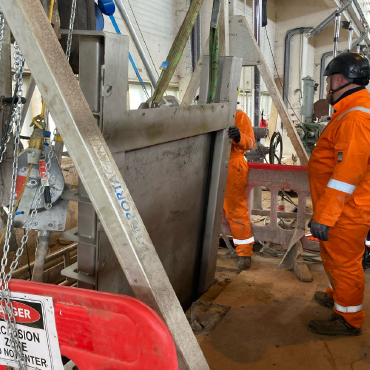
Working closely with Thames Water and Glanua, the engineering team developed a bespoke design tailored to the constraints of the site. Due to limited ceiling heights within the screening channels, standard penstock arrangements were unsuitable.
Custom split-frame penstocks were therefore engineered to enable installation within the restricted environment while maintaining full operational performance and sealing integrity.
All 20 penstocks were manufactured by Orbinox and installed by Glenfield Invicta, ensuring complete control over quality, programme delivery and technical compliance throughout the project lifecycle.
Innovation Through Engineering
One of the most technically demanding aspects of the project involved removing the original cast iron penstocks without causing unnecessary disruption to the surrounding structure.
To overcome this challenge, Glenfield Invicta developed an innovative wire-cutting methodology that enabled the existing frames to be separated safely from the concrete structure. Implemented within a DSEAR-designated environment, the technique reduced installation complexity, minimised structural intervention and provided a practical solution where traditional methods were not viable.
The project also highlights the benefits of Glenfield Invicta’s vertically integrated delivery model. Mechanical fixings were machined in-house, while project management, engineering and installation services were delivered directly by the company, providing greater control over quality, efficiency and programme performance.
Delivering Safe and Sustainable Outcomes
Careful planning and robust risk management have been central to the project’s success. Working in a live wastewater treatment environment required close collaboration between site teams, specialist subcontractors and operational stakeholders to ensure activities could be completed safely and efficiently.
A dedicated project manager has overseen programme delivery, coordinating weekly stakeholder meetings and maintaining effective communication across all parties involved.
Beyond improving operational reliability, the new installations deliver a range of environmental and efficiency benefits. Enhanced sealing performance eliminates the need for continuous pumping during maintenance activities, reducing equipment usage, labour requirements and associated emissions.
Additional sustainability improvements have been achieved through the installation of energy-efficient AUMA actuators and the use of locally based project management resources, helping to minimise the project’s overall carbon footprint.